How to Future-Proof Your Home in Victoria: Solar + Battery + EV Charger + Heat Pump Explained
How solar panels, home batteries, EV chargers and heat pump hot water systems work together to create a smarter, lower-cost, all-electric Victorian home in 2026.
Victorian homes are shifting from a mix of grid power, gas hot water, gas heating and petrol cars to smarter, electric, solar-powered living. The Victorian Government says all-electric homes powered by solar can save households thousands every year. The question for homeowners isn’t whether to upgrade — it’s how to do it without wasting money on parts that don’t work well together.
The four building blocks of a future-ready home
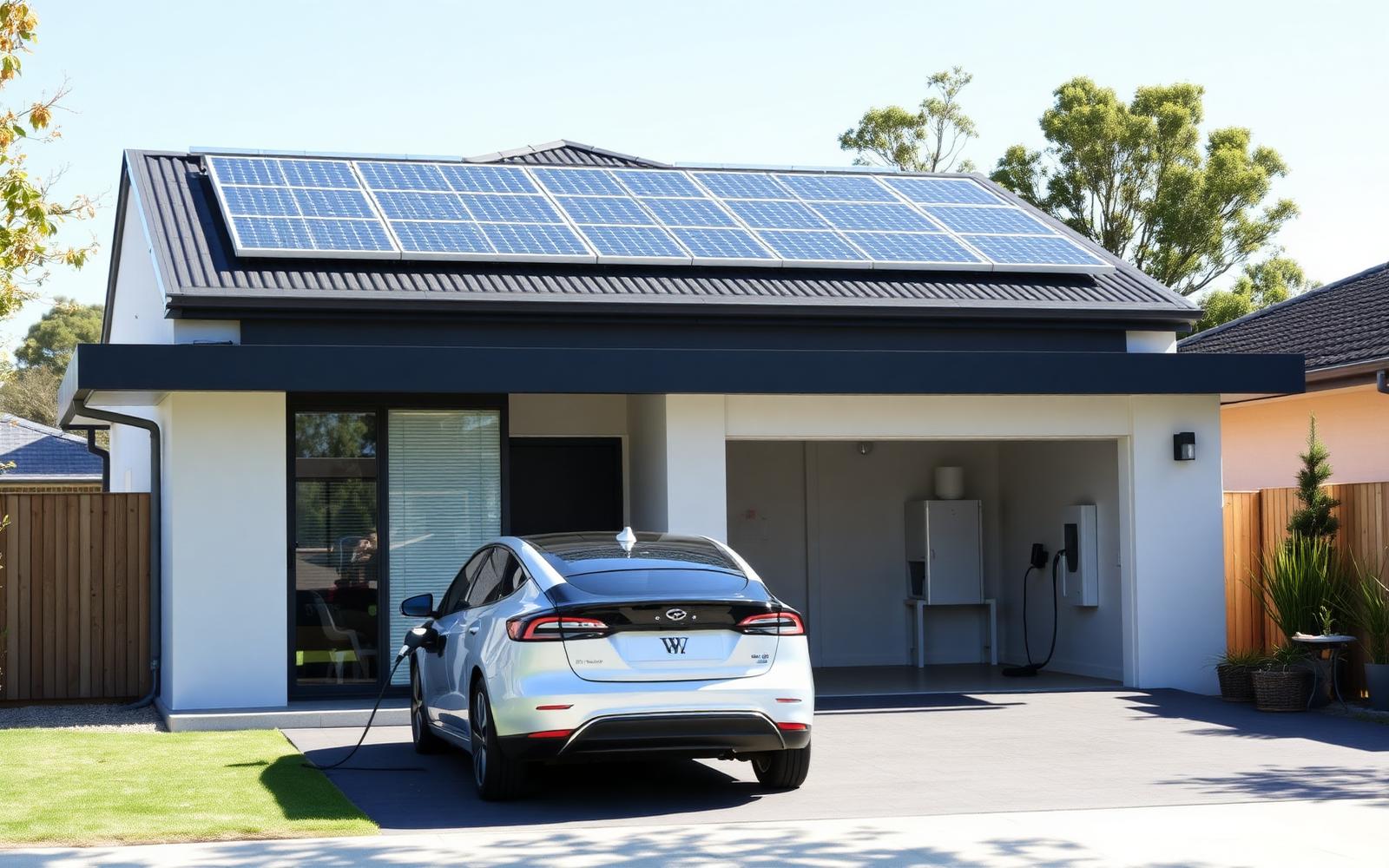
Designed properly, these systems complement each other to deliver lower running costs, less gas and grid reliance, and a home that’s ready for EVs and rising electricity demand.
- Solar panels — generate your own electricity.
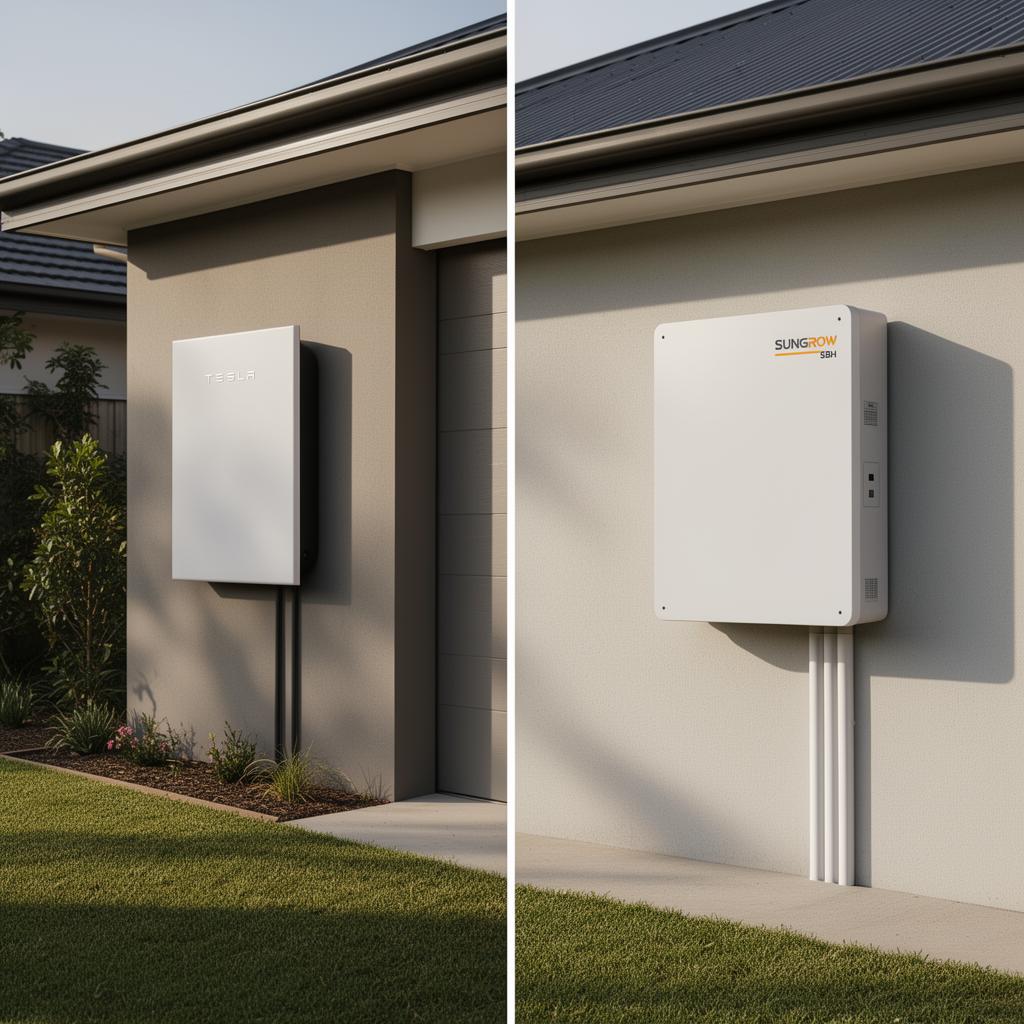
- Home battery storage — store excess solar for later.
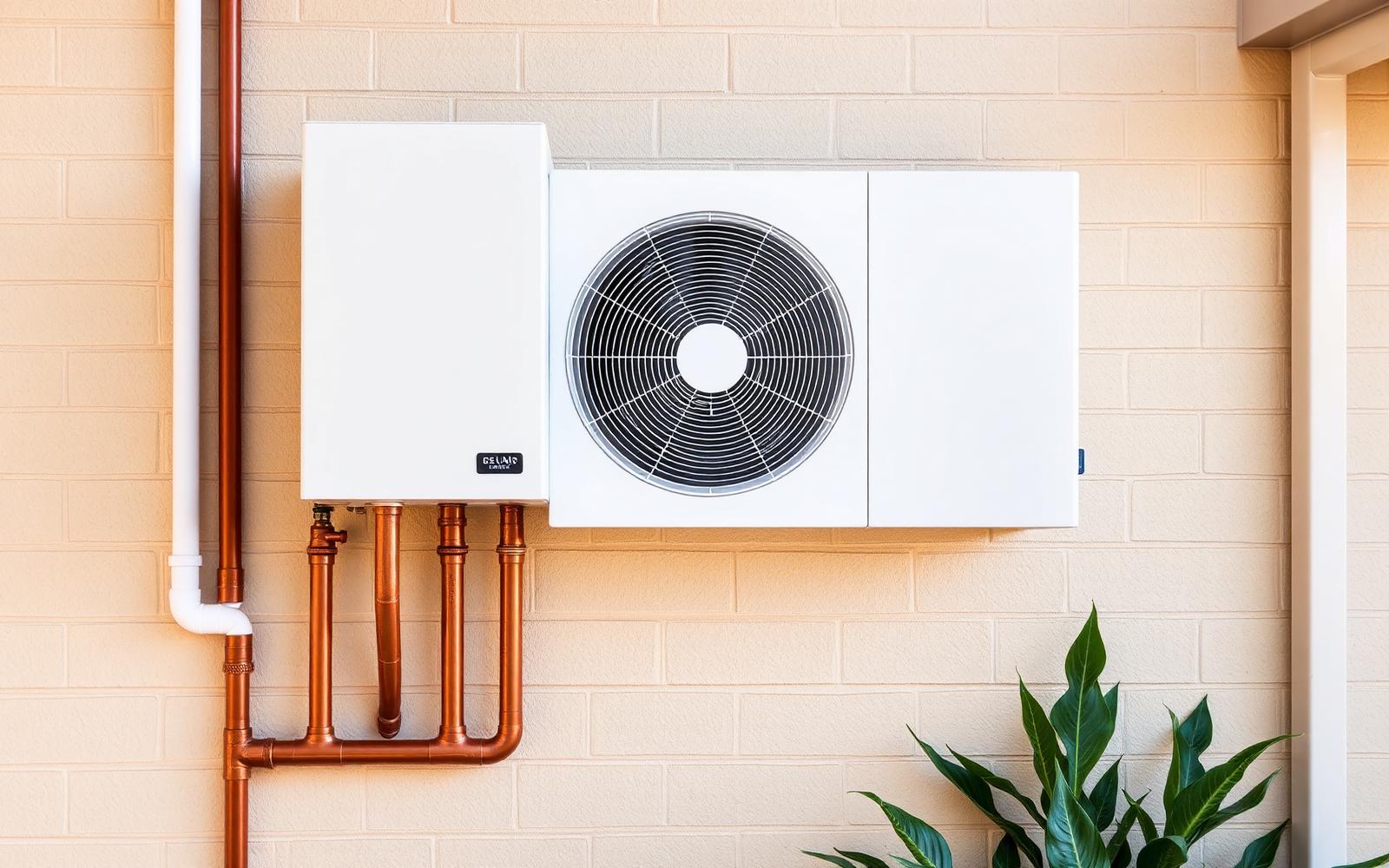
- Heat pump hot water — replace costly gas or older electric hot water.
- EV charger — charge your electric vehicle efficiently at home.
What ‘future-proofing’ actually means
A future-proof home uses less expensive energy, generates more of its own electricity, reduces exposure to rising gas and power costs, and stays aligned with where Victorian policy is heading. From 1 January 2027 all new homes and most new commercial buildings must be all-electric, and from 1 March 2027 end-of-life gas hot water in existing homes must be replaced with electric alternatives.
Solar panels — the foundation
Solar is usually the first and most important step. The Australian Government’s Solar Consumer Guide states solar power is now the cheapest source of electricity available. Without solar, your home relies almost entirely on purchased grid power; with solar, you build the platform every other upgrade plugs into.
| Future Upgrade | How Solar Helps |
|---|---|
| Home battery | Charges from excess solar |
| Heat pump | Uses daytime solar to heat water |
| EV charger | Charges your car from home-generated energy |
| All-electric home | Cushions the impact of higher demand |
Home batteries — use more of your own solar
Many households use the most power in the morning, evening or overnight — exactly when solar isn’t producing. A battery solves that mismatch. From 1 July 2025, the federal Cheaper Home Batteries Program began funding around a 30% discount on eligible systems connected to solar, with more than 160,000 installations supported in the first six months and funding expanded to an estimated $7.2 billion over four years.
Heat pump hot water — one of the smartest ways to cut gas
Hot water typically accounts for 15–30% of household energy use. A heat pump uses around 30% of the energy of a conventional electric system, replaces gas hot water, works extremely well with solar and can be timed to run during daytime generation. Eligible homes can receive up to $1,000 (or $1,400 for locally made products) through the Solar Victoria hot water rebate.
EV charger — prepare for electric transport
Most EV charging happens at home, and home charging with rooftop solar or off-peak power is the cheapest way to do it. A dedicated Level 2 home charger charges 3–10× faster than a standard power point, adding 30–80 km of range per hour. Even if you don’t own an EV yet, installing a charger now makes future-proofing easier.
How the four technologies work together
Morning: the battery supplies the home. Midday: solar runs the heat pump, charges the battery and tops up the EV. Evening: stored battery energy covers household demand. Overnight: the home draws far less from the grid than a traditional setup.
| Technology | Main Role | Works Best With |
|---|---|---|
| Solar panels | Generate electricity | Battery, heat pump, EV charger |
| Home battery | Store excess solar | Solar panels |
| Heat pump | Efficient hot water | Solar, battery |
| EV charger | Charge electric vehicles | Solar, battery |
What upgrade order makes sense?
- No solar yet → Solar first, then heat pump, then battery, then EV charger.
- Already have solar → Heat pump, then battery (if you export a lot), then EV charger.
- Building or renovating → Design for all-electric, install solar with battery capacity, choose a heat pump and prepare EV infrastructure.
- Want the full setup → Solar + battery + heat pump + EV charger as a single connected plan.
Frequently asked questions
Do I need all four upgrades at once?
Is solar still useful without a battery?
Battery or EV charger first?
Can an EV be charged from rooftop solar?
Is a heat pump better than gas hot water?
Final takeaway
The Victorian home of the future is solar-powered, more electric, less gas-dependent, battery-ready and EV-ready. The smartest move in 2026 is to stop thinking of solar, batteries, EV chargers and heat pumps as separate purchases — and start seeing them as parts of one connected home energy plan.
Call 1300 767 652 or request a free, no-obligation quote tailored to your home, energy usage and rebate eligibility.