Heat Pump vs Gas Hot Water in Victoria: Running Costs, Rebates and Which System Suits Your Home
Compare heat pump vs gas hot water systems in Victoria — running costs, the 2027 gas replacement rules, solar compatibility and which option suits your home in 2026.
For many Victorian homeowners, hot water has become one of the biggest energy decisions in the home. If your existing gas system is ageing, broken or simply costly to run, the real question in 2026 is: should you replace it with another gas unit, or switch to a heat pump? From 1 March 2027, when a gas hot water system in an existing owner-occupied home breaks and cannot be repaired, it must generally be replaced with an electric alternative — usually a heat pump.
The quick answer
For most Victorian homeowners replacing an ageing gas hot water system, a heat pump is increasingly the smarter long-term option once rebates and running costs are considered.
| Question | Better Choice |
|---|---|
| Lowest long-term running cost | Heat Pump |
| Best match with rooftop solar | Heat Pump |
| Best option for reducing gas dependence | Heat Pump |
| Eligible for major Victorian rebate support | Heat Pump |
| Lower upfront cost without rebates | Gas may appear cheaper upfront |
| Best aligned with Victoria’s 2027 rules | Heat Pump |
| Best for an all-electric home | Heat Pump |
How a heat pump hot water system works
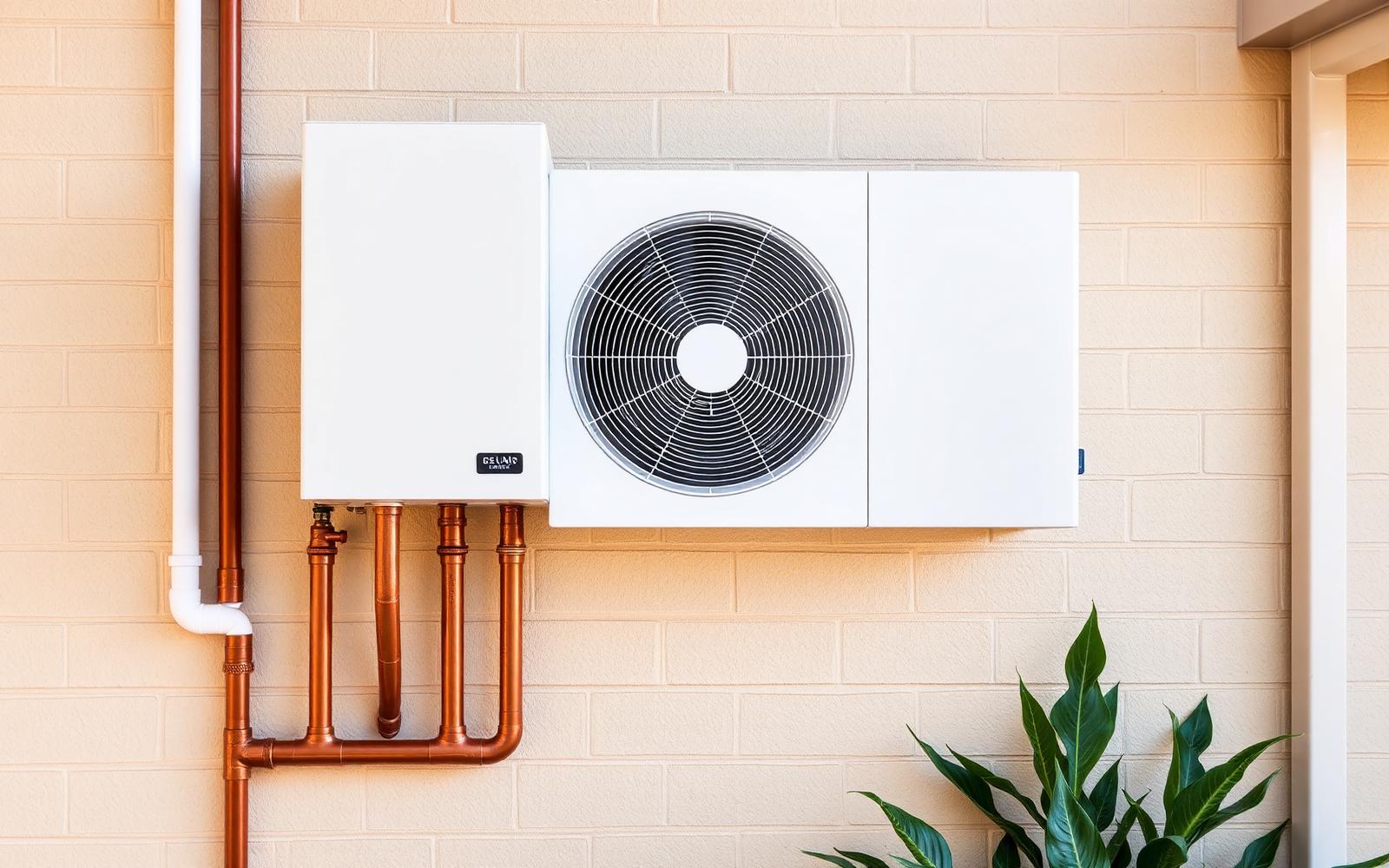
A heat pump uses electricity, but not the way a traditional electric element does. It pulls heat from the surrounding air, transfers it into the water tank and uses electricity mainly to run the compressor and fans. The Australian Government states heat pump water heaters use around 30% of the energy of a conventional electric hot water system, making them the cheapest hot water system to run.
How gas hot water works
Gas hot water comes in two forms — gas storage tanks that maintain temperature continuously, and instantaneous units that heat water on demand. Government energy guidance notes gas hot water has medium-to-high running costs, and gas storage in particular is inefficient due to standing heat loss from the tank.
Side-by-side comparison
| Factor | Heat Pump | Gas Hot Water |
|---|---|---|
| Energy source | Electricity | Natural gas |
| Running cost | Generally lower | Generally higher |
| Works with rooftop solar | Yes, very well | No |
| Eligible for strong rebates | Yes | No comparable support |
| Supports all-electric home | Yes | No |
| Future policy alignment in VIC | Strong | Weaker |
| Upfront cost before rebates | Higher | Often lower |
Which one is cheaper to run?
Heat pumps are generally cheaper to run. The Victorian Government says switching from gas to an efficient electric hot water system can save households around $400 per year on energy bills. With solar, a heat pump can be scheduled to run during the day so your roof effectively powers your hot water — gas hot water simply cannot do that.
Heat pump + solar: a smart combination
Hot water tanks naturally act as thermal storage. Solar generates in the daytime, the heat pump runs during those hours, and the hot water sits ready for evening use. Solar Victoria requires eligible heat pumps to have either a configurable timer or solar PV integration so households can run them during solar generation windows.
Rebates and discounts in Victoria
- Solar Victoria hot water rebate: up to $1,000, or up to $1,400 for eligible locally made products (50% of purchase price, capped).
- Victorian Energy Upgrades discount: up to $560 when replacing inefficient gas hot water with a heat pump, or up to $630 when replacing inefficient electric.
- Combined, eligible upfront savings can reach $1,630+ on standard systems, or up to $2,030 on eligible locally made products.
Solar Victoria eligibility (May 2026)
- Owner-occupier of an existing property.
- Combined household taxable income below $210,000 per year.
- Property value under $3 million.
- No previous Solar Homes hot water or battery rebate on the property.
- Existing hot water system at least 3 years old.
- Installed by an authorised retailer using an eligible product.
Victoria’s 2027 gas hot water rule
If your existing gas system is old, unreliable or near end of life, 2026 is a smart time to plan the upgrade properly rather than waiting for an emergency replacement under the new rules.
When a gas hot water appliance in an existing owner-occupied home breaks and cannot be repaired, it must be replaced with an electric alternative. Rental providers must generally install a heat pump or other efficient electric option at end of life.
Is gas hot water banned right now?
No. Existing systems can continue operating and owner-occupiers don’t have to proactively remove working units. The new requirement only kicks in from 1 March 2027 when a system cannot be repaired. The policy direction, however, is clearly toward efficient electric alternatives.
Who is best suited to a heat pump?
| Your Situation | Why a Heat Pump Makes Sense |
|---|---|
| Ageing gas hot water system | Good timing to switch before failure |
| You already have solar | Use free daytime energy to heat water |
| You want to reduce gas bills | Removes hot water from gas usage |
| You want lower running costs | More efficient over the long run |
| Planning an all-electric home | Fits the long-term upgrade path |
| You want access to rebates | Heat pumps are strongly supported in VIC |
Are heat pumps suitable for every home?
Not always — design matters. Important considerations include outdoor space, household hot water demand, tank size, noise placement, climate suitability (some models aren’t ideal where winter regularly drops below 5°C), and electrical/plumbing layout. Pick the product to suit the home, not just the headline rebate.
Final takeaway
Heat pumps are cheaper to run, pair beautifully with solar, attract strong government support and align with Victoria’s move away from gas. For most homeowners with an old gas system, 2026 is the smart time to plan the switch.
Call 1300 767 652 or request a free, no-obligation quote tailored to your home, energy usage and rebate eligibility.