Is a Home Battery Worth It in Victoria in 2026? Solar Savings, Backup Power & Rebate Impact Explained
When a solar battery is worth it in 2026, how the federal battery discount works, what changed from 1 May, and how to choose the right battery size.
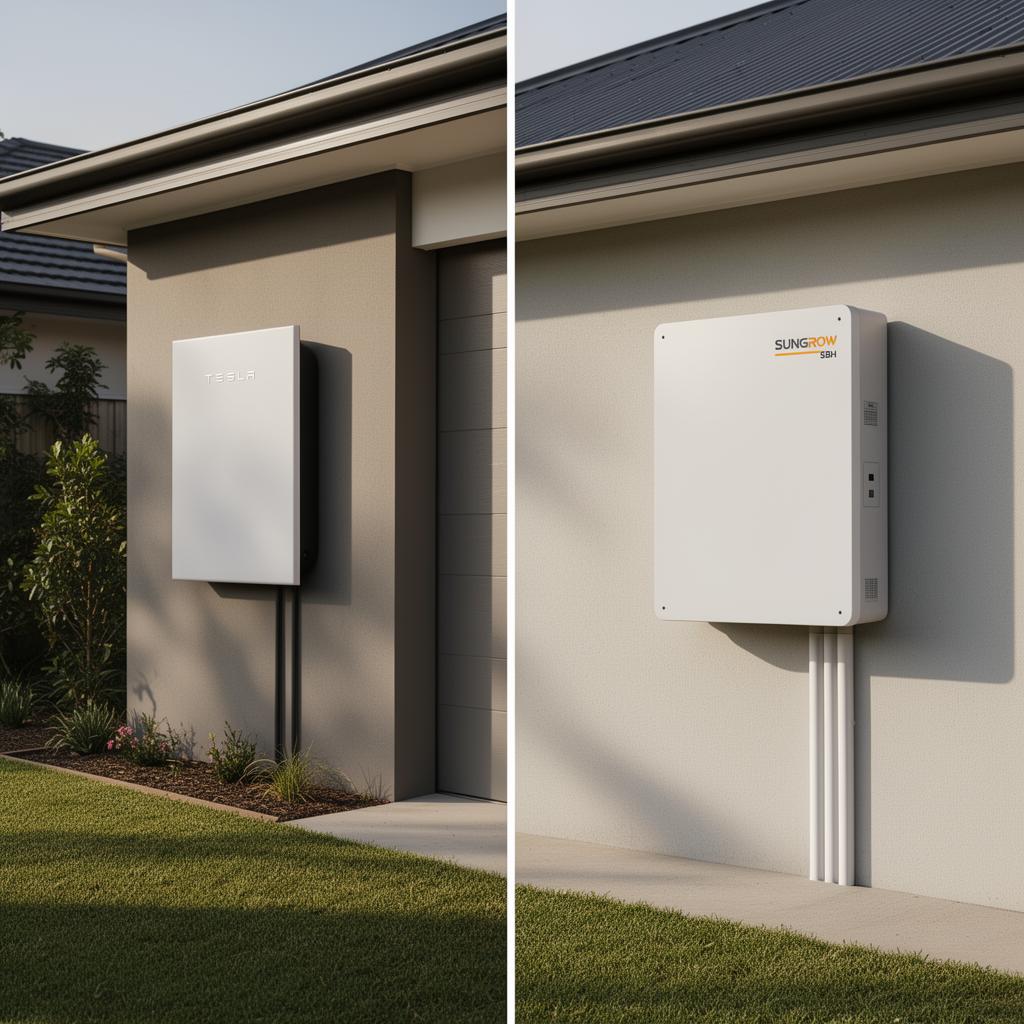
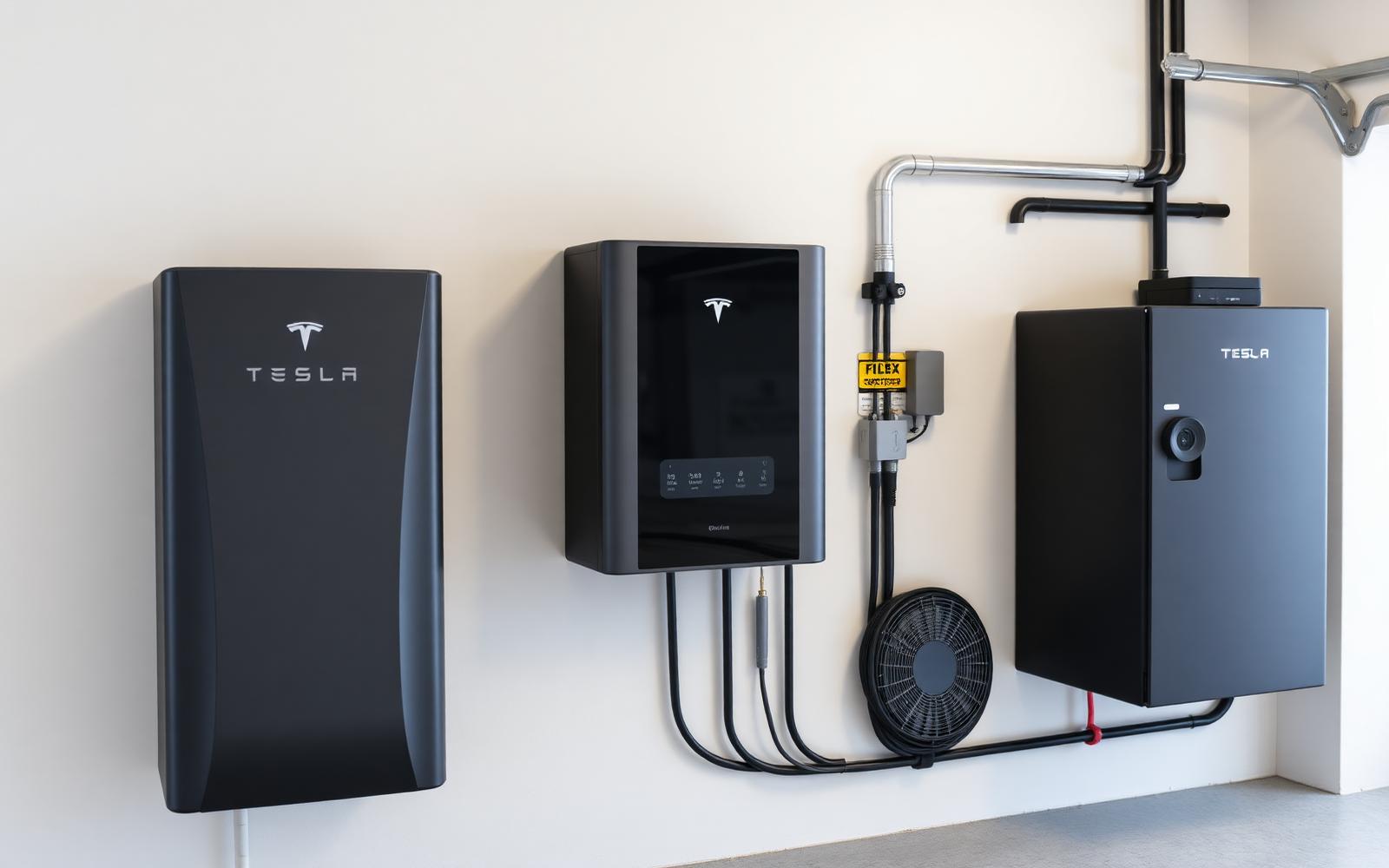
Home batteries became a much bigger conversation in 2026. The federal Cheaper Home Batteries Program started supporting eligible systems from 1 July 2025 with a discount of around 30% off upfront cost. For the right household — solar already installed, heavy evening use, and a desire to rely less on the grid — a battery is increasingly worth assessing. But it’s not automatically the best upgrade for every home.
The quick answer
| Situation | Worth Considering? |
|---|---|
| Already have solar and export a lot | Yes — strongly worth assessing |
| Use most electricity after sunset | Yes — battery cuts evening grid purchases |
| Want backup during outages | Potentially, if the battery supports backup |
| Don’t have solar yet | Solar should usually come first |
| Very low electricity usage | Maybe not — payback can be slow |
| Choosing a large battery only for rebate | Be careful — 2026 changes reward right-sizing |
What a home battery actually does
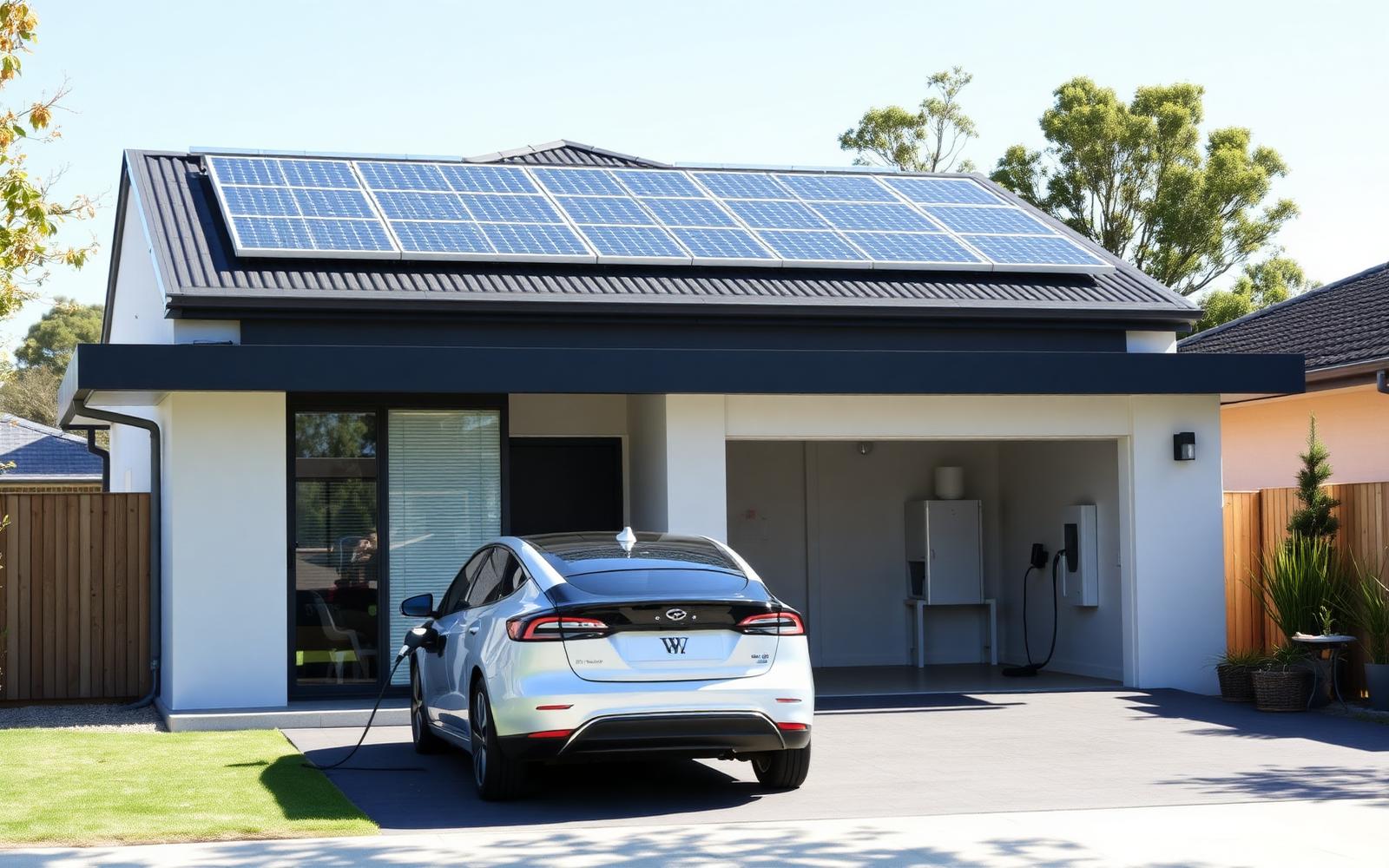
Solar generates during the day, your home uses what it needs, excess charges the battery, and stored energy gets used in the evening or overnight. The battery shifts your own solar from when it’s produced to when your household actually needs it.
Why batteries are more attractive in 2026
The federal discount is delivered upfront by retailers via the Small-scale Renewable Energy Scheme. Eligible batteries must be connected to new or existing rooftop solar, have a nominal capacity between 5 kWh and 100 kWh, be new (not refurbished), and meet program requirements. Only the first 50 kWh of usable capacity creates Small-scale Technology Certificates.
What changed from 1 May 2026
The Clean Energy Regulator introduced a tapered STC factor — the incentive is strongest on smaller/moderately sized systems and lower on additional capacity of larger ones.
| Battery Capacity Portion | STC Factor Applied |
|---|---|
| First 0–14 kWh | 100% factor |
| Above 14 kWh up to 28 kWh | 60% factor |
| Above 28 kWh up to 50 kWh | 15% factor |
The rebate remains attractive for typical household batteries, but oversizing just to maximise the rebate no longer makes sense. Size the battery to your actual usage.
Is there still a Victorian battery loan?
As of 16 May 2026, Solar Victoria is no longer taking applications for interest-free solar battery loans. The key battery incentive for Victorian homeowners in 2026 is the federal Cheaper Home Batteries Program.
When a battery is most worth it
- You already have solar and regularly export unused power.
- Your household uses a lot of electricity after sunset.
- You want greater energy independence and lower grid reliance.
- You want backup capability — check the chosen battery supports it.
When a battery may not be the first upgrade
- You don’t have solar yet — install solar first.
- Household electricity usage is very low — payback may be slow.
- You’re choosing the battery only based on the rebate headline.
What battery size do most homes need?
A battery should be sized to your energy behaviour — not selected purely by brand or rebate headline.
| Household Profile | Sizing Direction |
|---|---|
| Small household, moderate solar exports | Smaller battery may suit |
| Family home with strong evening usage | Mid-sized battery often worth assessing |
| Larger household, EV plans, higher usage | Larger battery may be justified |
| Wants backup power | Depends on backup loads and design |
Virtual Power Plants (VPPs)
On-grid batteries need to be VPP-capable at installation to qualify under the program, although you’re not required to enrol. Whether to join a VPP depends on the brand, export settings, payments offered and your preference for self-consumption vs grid participation.
Is it worth it? Quick checklist
The more ‘yes’ answers, the stronger the case for a proper battery review.
- Do you already have rooftop solar?
- Do you export a lot of solar during the day?
- Are your electricity bills still high?
- Do you use a lot of power in the evening?
- Are you planning to electrify more of your home?
- Do you want backup capability?
Final takeaway
A home battery can absolutely be worth it in Victoria in 2026 — especially for households with solar, strong daytime exports and heavy evening use. The best question isn’t ‘should I buy one?’ — it’s ‘what size and system design actually suits my home?’
Call 1300 767 652 or request a free, no-obligation quote tailored to your home, energy usage and rebate eligibility.