
Solar, Battery or Heat Pump: Which Energy Upgrade Should Victorian Homeowners Choose First in 2026?
Should you install solar panels, a home battery or a heat pump hot water system first? A 2026 guide for Victorian homeowners based on bills, usage and rebates.
Solar panels, home batteries and heat pump hot water systems are all smart upgrades. The real question most homeowners ask isn’t ‘which one is good?’ but ‘which one should I do first?’ The right answer depends on your home, current bills, whether you already have solar, your hot water setup and how quickly you want to reduce costs.
The quick answer
| Your Situation | Best First Upgrade |
|---|---|
| No solar yet | Solar panels |
| Already have solar, exporting a lot | Home battery |
| Old, gas or expensive hot water | Heat pump hot water |
| Want to cut gas use | Heat pump first, then solar |
| Building a full all-electric home | Solar + heat pump, then battery |
| Want the strongest long-term setup | Solar + battery + heat pump |
Solar: usually the best first step
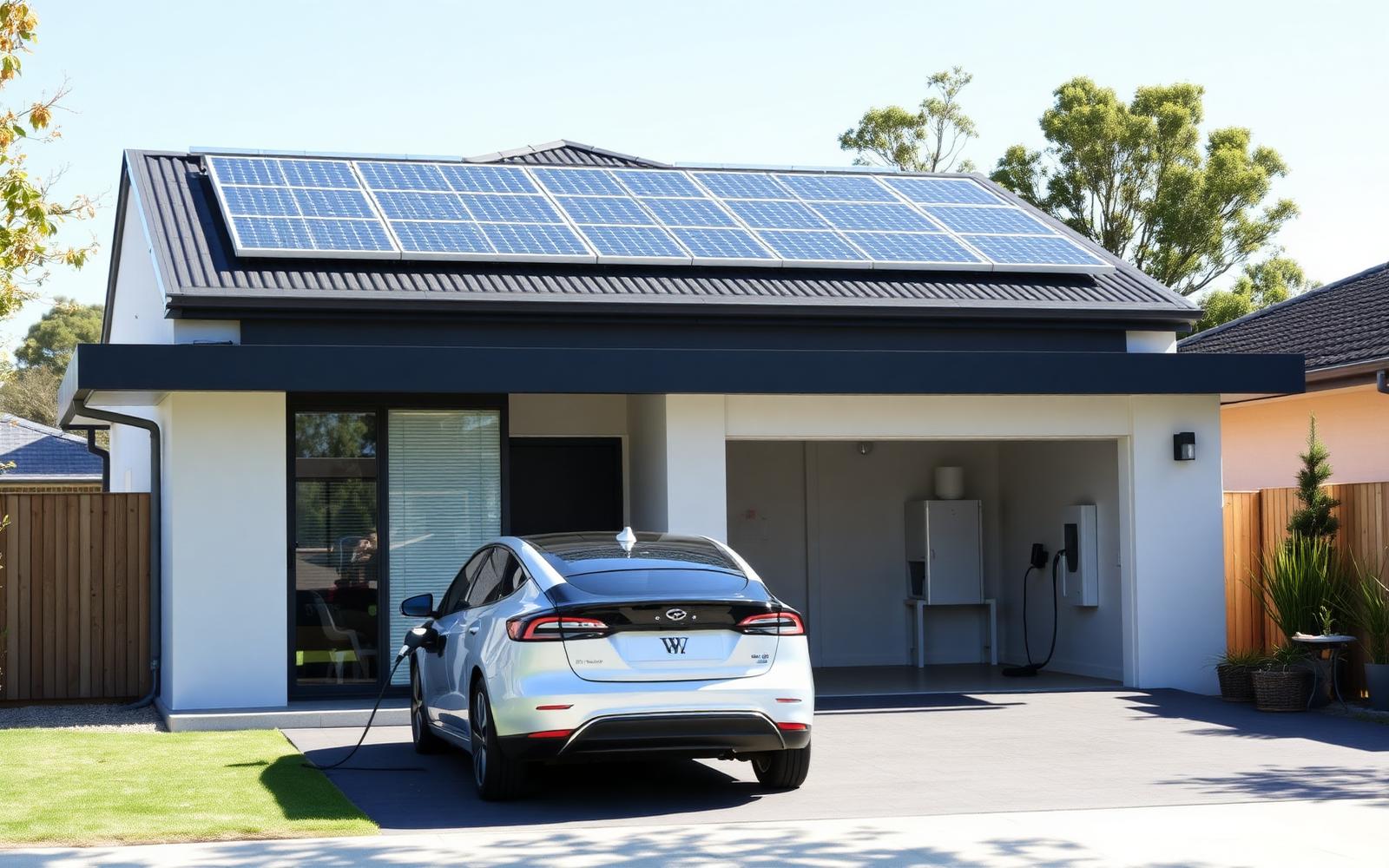
For most Victorian homes without rooftop solar, panels come first. Solar gives the home a new source of low-cost daytime electricity that can power appliances, A/C, heat pumps, batteries and EV charging. Eligible Victorian households can still access a solar panel rebate of up to $1,400 with an interest-free loan option of up to $1,400 under the Solar Homes Program.
- No solar currently installed.
- Electricity bills are consistently high.
- Someone is often home during the day.
- You use air conditioning in summer.
- You plan to add a heat pump, EV charger or battery later.
Home batteries: best for solar owners wanting more control
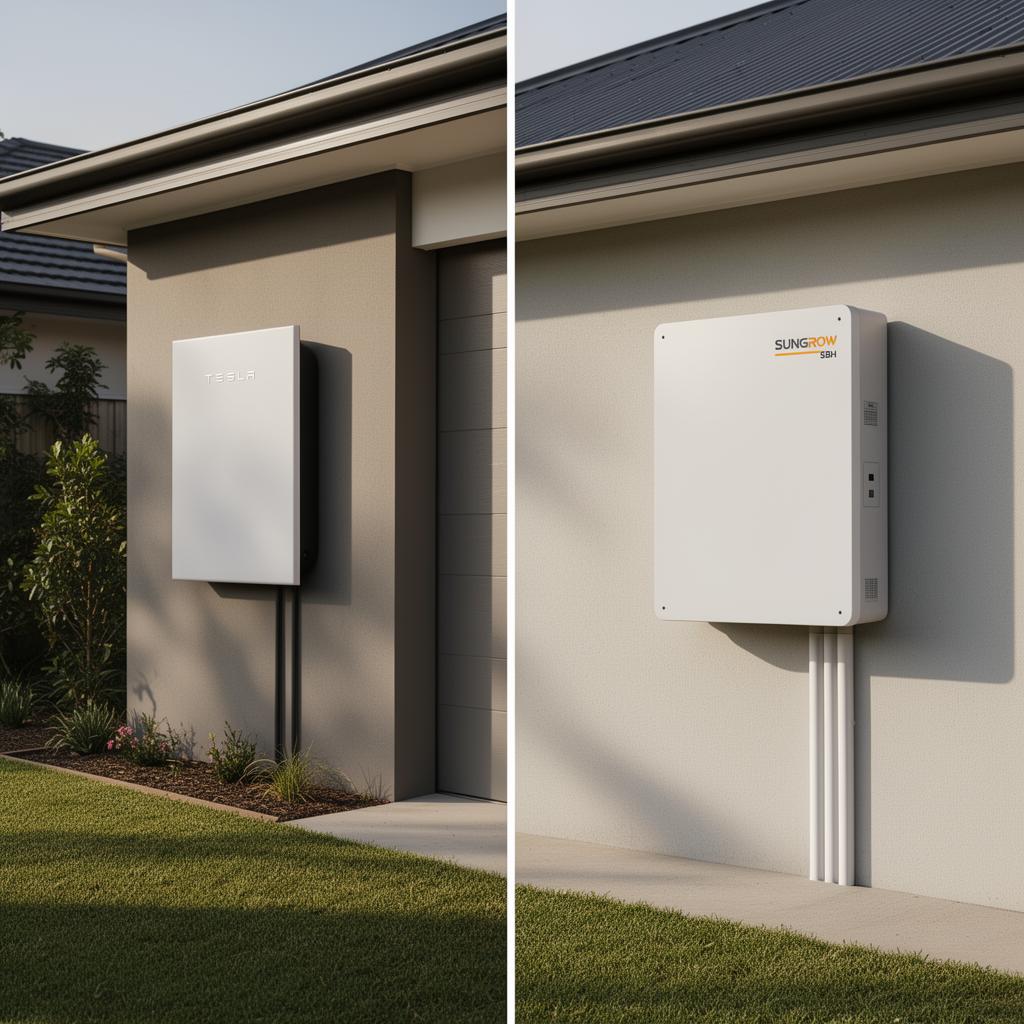
Batteries store excess solar from the day and release it in the evening. The federal Cheaper Home Batteries Program gives around 30% off eligible systems connected to solar — but from 1 May 2026 the discount tapers for larger capacities, so right-sizing matters. A battery doesn’t generate power; for a home with no solar, install solar first.
Heat pump hot water: the most underrated upgrade
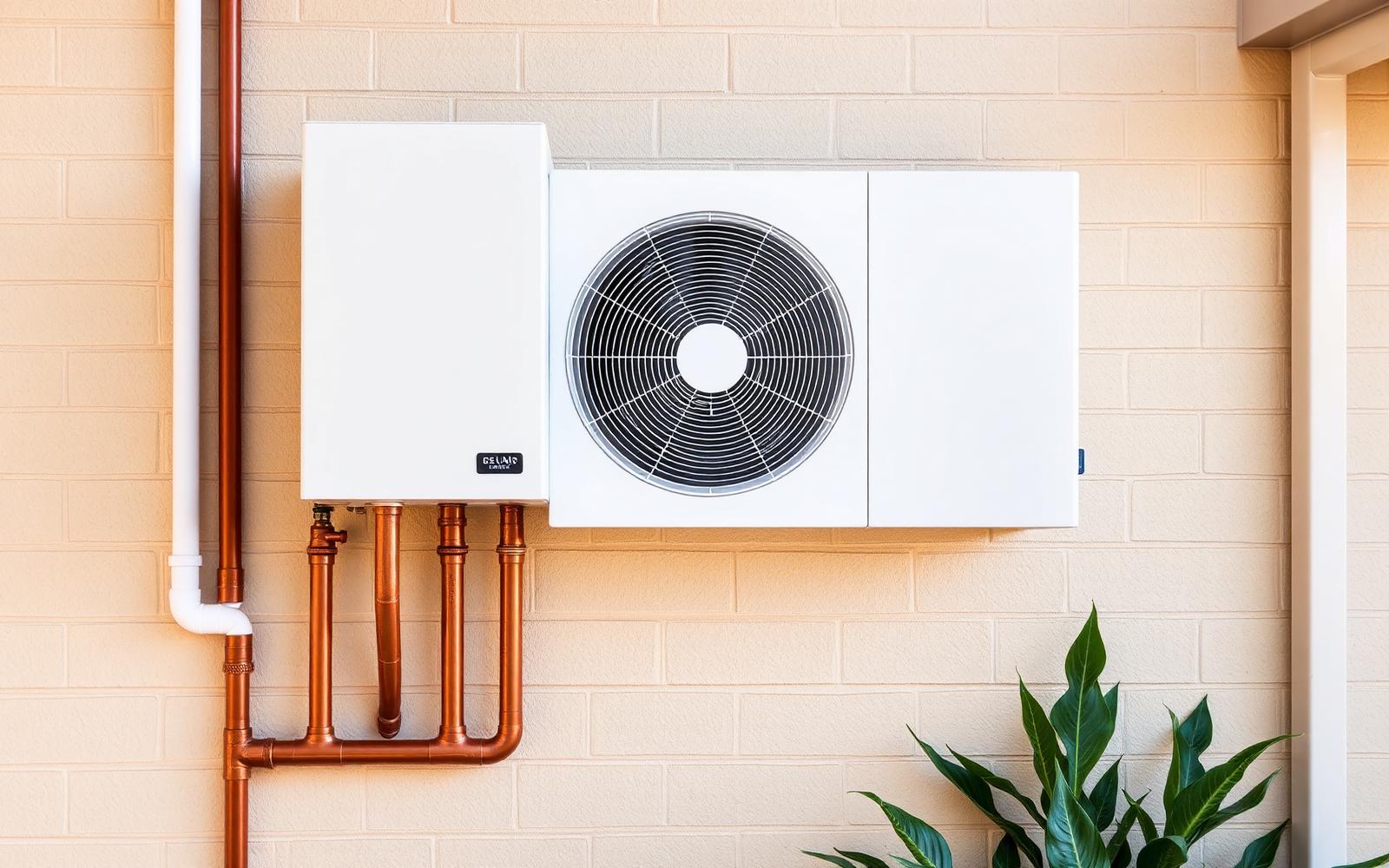
Hot water accounts for around 18% of energy use in Victorian households. A heat pump replaces inefficient gas or electric hot water, can be scheduled to use daytime solar, and is supported by a Solar Victoria rebate of up to $1,000 (or $1,400 for eligible locally made products).
Scenario A — ‘I don’t have solar yet.’
Solar is the foundation. Path: 1) Solar 2) Heat pump 3) Battery later if usage supports it.
Scenario B — ‘I already have solar, but evening bills are high.’
If daytime exports and evening consumption are both high, a battery uses more of your own power. Path: 1) Battery 2) Heat pump if still on gas 3) EV charger.
Scenario C — ‘My gas hot water system is old.’
Often the most urgent and practical move. Path: 1) Heat pump 2) Solar (if not already) 3) Battery if evening usage is high.
Scenario D — ‘I want a future-ready all-electric home.’
Solar creates low-cost electricity; the heat pump uses it efficiently. Path: 1) Solar 2) Heat pump 3) Battery 4) EV charger.
Best combinations for 2026
- Solar + Heat Pump — strong balance of affordability, rebates and bill reduction.
- Solar + Battery — for strong evening consumption.
- Solar + Heat Pump + Battery — the most complete electrified setup.
Simple decision table
| Question | If Yes, Prioritise |
|---|---|
| No rooftop solar? | Solar panels |
| Already exporting lots of solar? | Home battery |
| Hot water old, gas or expensive? | Heat pump |
| Want to cut gas use? | Heat pump |
| Adding an EV soon? | Solar first, then battery/charger |
| Want the most complete upgrade? | Solar + heat pump + battery |
Final takeaway
The best upgrade depends on where your home starts from. Solar is usually the smartest first move for homes without it; batteries are best for solar households wanting to use more of their own energy; heat pumps are one of the strongest upgrades for reducing gas dependence. The most effective strategy is the right upgrade in the right order.
Call 1300 767 652 or request a free, no-obligation quote tailored to your home, energy usage and rebate eligibility.